
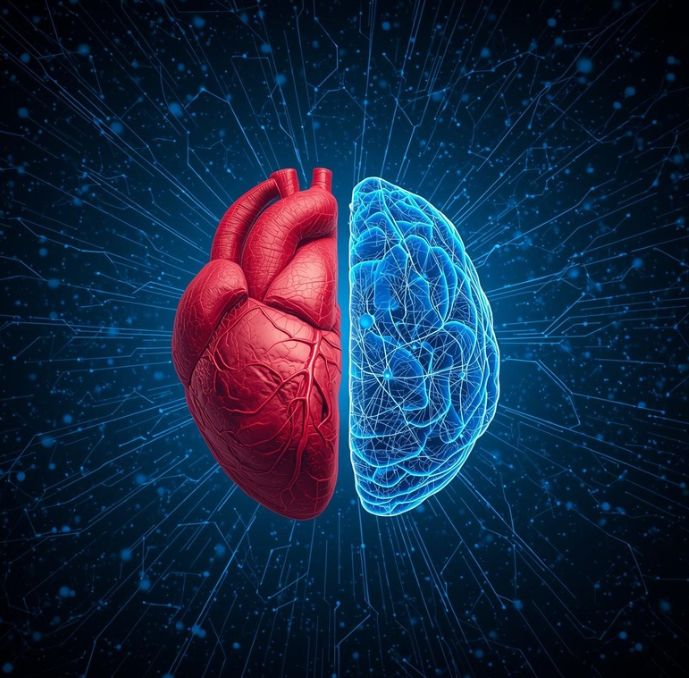
Autism and emotions: a story for/about the brain and the heart
Description
In 1943, when Leo Kanner published his ground breaking article on autism, he choose to give it the title “Autistic disturbances of affective contact’, putting emotions right in the centre of his concept of autism. Almost eight decades later, the question remains important: do autistic people have access to emotions, both their own emotions as those in other people, in a different way than neurotypicals?
In this presentation we summarize the main findings of 80 years of research of the emotional life of autistic people. These findings show that Kanner’s observations were spot on, his explanation of what he saw, however, were less accurate in the light of recent research. In the presentation we will try to make clear, with examples and illustrations, that cognition and emotion are inextricably linked to each other and that the ‘autistic thinking’ has a significant impact on the way an autistic brain understands emotions.
Topics that will be covered are:
– How do autistic people understand emotions, both their own as those of other people?
– Why is it dangerous to assume what autistic people feel? Neurotypical projections, or: who is the one lacking Theory of Mind?
– Why it is not a good idea to teach autistic children to recognize emotions in faces? Context blindness and recognizing emotions.
– Why it is not true that autistic people lack empathy? The story about sympathy and empathy or: why autistic people are the opposite of psychopaths.
– How to help autistic people cope with the jungle of emotions? An alternative look at refrigerator mothers…
Reviews
There are no reviews yet.